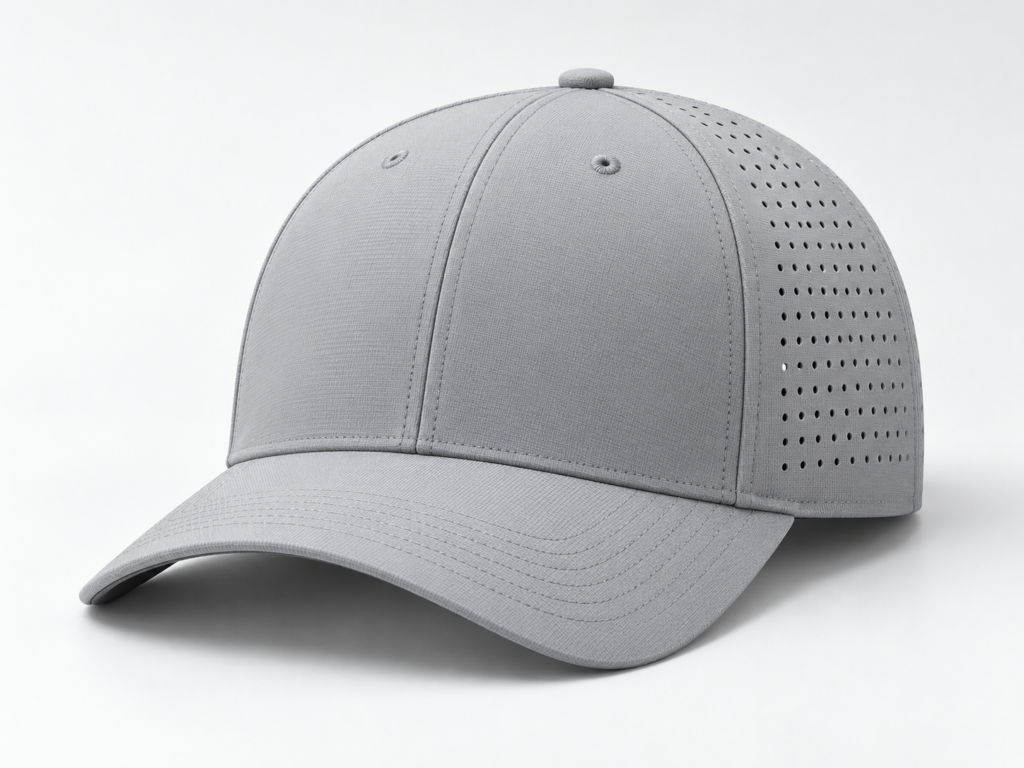
For brand owners, sourcing teams & wholesale buyers
A baseball cap manufacturer should turn your design, fit and branding requirements into an approved sample and a repeatable production specification. For brand buyers, compare the full scope of development, materials, quality checks and delivery alongside the price per cap.
JoinTop develops custom headwear for brands and wholesale buyers. This guide explains what to prepare before requesting custom baseball caps and what to confirm before placing a bulk order.
Choose the right sourcing route for your collection
Start by deciding how much of the cap needs to be unique. Adding a logo to an existing blank and developing a cap from your own specification involve different choices, costs and schedules.
| Sourcing route | When it fits | What to confirm |
|---|---|---|
| Existing blanks with decoration | You already like the available fit and fabric and mainly need a logo. | Stock availability, usable decoration area, label options and replenishment consistency. |
| Custom OEM development | You have a tech pack or reference sample and need control over construction, materials and trims. | The complete specification, sample process, custom-component minimums and production schedule. |
| Development with supplier input | You have a brand direction but still need help defining the cap. | Which design tasks are included, which options need sampling and who approves each revision. |
Suppliers may use OEM, ODM and private label differently. Ask what the service actually includes. If you are sourcing private-label cap development, discuss fit, fabric, interior labels and packaging alongside the front logo.
Specify the fit before choosing the logo
A front-view photo cannot fully define a baseball cap. Give the manufacturer a side view, an interior view and, when possible, a physical reference. Identify what you like about it and what should change for your own collection.
Separate these four decisions in the brief:
- Crown construction: structured baseball caps use support to help hold their shape; an unstructured crown has a softer form. Approve the actual firmness on a sample.
- Panel layout: a 5-panel baseball cap can provide a broad front area, while a typical 6-panel cap has a center-front seam. Check the pattern and how the logo will sit on it.
- Fit and profile: record head circumference, crown depth and the agreed measuring method. “Low profile” alone is not a complete size specification.
- Visor and closure: define visor length and curve, then choose a snap closure, adjustable strap or another agreed construction. A snapback describes the closure, not the number of panels.
For performance baseball caps, the shell, ventilation and sweatband also need to work together. Browse our performance cap options, or use our custom performance cap manufacturing guide to develop that part of the specification.
Review fabric and branding as one product
Cotton twill, canvas, corduroy and technical synthetic fabrics create different looks and require different development decisions. Ask for the proposed fabric composition, weight, color reference and finish. The word “polyester” alone does not establish moisture-wicking, quick-dry or UV-protection performance.
For custom embroidered baseball caps, review the logo at its actual size on the chosen panel. Fine lettering, dense stitching and a center seam can affect the result. A digital mock up helps confirm layout; a physical sample shows the interaction between the logo, backing and fabric.
For patches or heat-applied branding, confirm the attachment method and check it on the intended material. Add interior labels, seam tape, sweatband color, closure details and hangtags to the same specification. This gives your private label baseball caps a consistent identity inside and out.
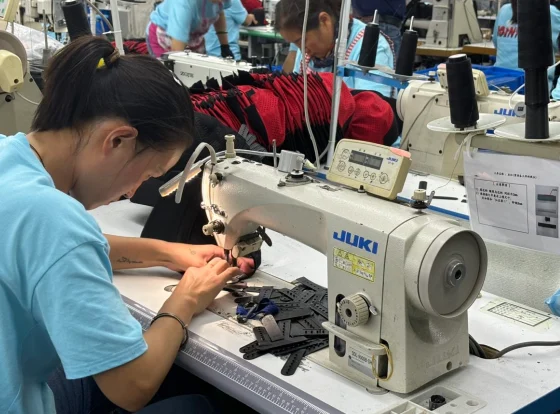
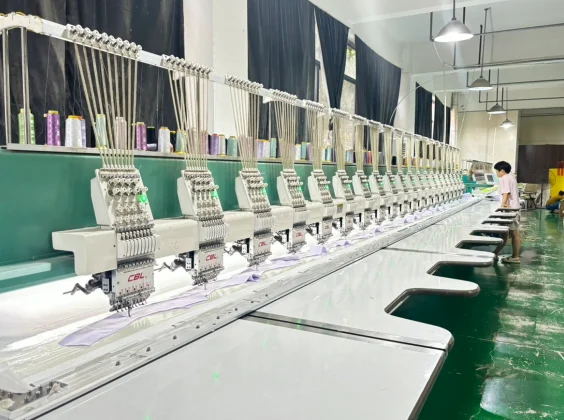
Production images are from JoinTop company materials. The construction and decoration process for your order is confirmed during development.
Compare manufacturer quotations on the same scope
Send the same brief to each shortlisted baseball cap supplier. Otherwise, one price may cover a stock fabric and simple embroidery while another includes custom dyeing, special trims and individual packaging.
| Quote line | Ask the supplier to state |
|---|---|
| Style and quantity | Pieces per style, color and size; whether price tiers use the total order or each variant. |
| Materials and construction | Fabric reference, crown support, sweatband, visor and closure. |
| Branding | Logo technique, dimensions, number of placements and interior branding. |
| Development charges | Sample fees, setup or mold charges, and the treatment of revisions. |
| Packing and shipping | Unit packing, carton quantities, delivery basis, destination and freight inclusions. |
| Schedule and payment | Approval deadlines, production start conditions, dispatch timing and payment milestones. |
| Quality agreement | Approved reference sample, measurement tolerances, inspection scope and issue-resolution process. |
A useful quotation makes substitutions visible. If a supplier proposes another fabric or closure to meet your target cost, ask for the change to be identified and sampled before approval.
Have a reference cap and a target quantity? Send your baseball cap brief for a quotation review. Include the details already decided and flag the choices where you need recommendations.
Plan MOQ and timing by style and color
JoinTop’s standard custom-cap starting MOQ is 100 pieces per style and color. Different colors cannot be combined to meet that minimum. Special fabrics, custom trims or other development requirements may need a higher quantity, so confirm the final MOQ in your project quotation.
For example, one style in two colors at 100 pieces each is 200 caps. Two styles in two colors each would start at 400 caps under the same standard minimum. Treat this as a planning example, not a quote for every possible construction.
If you are comparing low-MOQ custom baseball caps with a larger wholesale order, ask how the unit price and setup charges change at each quantity. For blank baseball caps intended for local decoration, confirm fabric compatibility and the usable logo area before ordering.
Build the timeline around separate milestones: specification approval, sample completion, sample review, bulk production, dispatch and delivery. Tell the supplier your required arrival date and destination. Production lead time is only one part of that schedule, and sample changes can affect the following stages.
Agree on evidence before approving bulk production
Keep the approved sample and a dated specification together. Record measurements, color and trim references, logo placement and packaging. Photos help document appearance, but they do not replace a clear measuring method or the physical reference cap.
Match the checks to the risks in your design:
- Fit and assembly: compare crown depth, circumference, visor alignment, seam appearance and closure operation against the agreed specification.
- Color transfer from rubbing: discuss AATCC TM8 colorfastness to crocking when evaluating transfer from colored textiles under dry and wet rubbing conditions.
- Color change and staining from perspiration: AATCC TM15 colorfastness to perspiration addresses the effects of acid perspiration on colored textiles.
- Claims and certificates: if OEKO-TEX STANDARD 100 is part of your brief, request a valid certificate covering the relevant article and verify its number through the official OEKO-TEX Label Check.
Agree the test method, sample scope and acceptance criteria with the supplier and laboratory. A fabric report should not be treated as proof that every component or finished cap meets the same claim. The references above explain evaluation tools; they are not a statement that every JoinTop product is certified or tested to those standards.
Our manufacturing and quality process describes material review, in-process checks, final inspection and issue follow-up. Ask how those stages will be applied to your order and how results or corrective actions will be shared.
Baseball cap manufacturing: buyer questions
Can a manufacturer work from a reference cap without a tech pack?
Yes. Send clear photos or a physical reference, your logo, intended use and estimated quantities. Mark the fit, material and branding details you want to keep or change. The remaining specification should be agreed before sampling.
What is the minimum order for custom baseball caps?
JoinTop’s standard starting point is 100 pieces per style and color. Custom materials or trims can change the minimum. Send your style and color breakdown so the quotation reflects the actual order.
Can I order private label baseball caps with interior branding?
Discuss woven labels, seam tape, sweatband details, hangtags and packaging as part of the development brief. Confirm which items are included, any separate minimums or charges, and their appearance on the sample.
Do performance fabrics automatically make a cap quick-dry or water-repellent?
No. Define the required property, the components covered and the evidence needed. Fabric composition, finish and construction should be evaluated for the specific claim.
What should be approved before a repeat order?
Confirm the specification version, fabric and trim references, color standards, size breakdown and packaging. If anything has changed since the previous order, agree how it will be checked before bulk production.
Request a baseball cap quote for your brand
Send your reference images and the information below to JoinTop. We can review construction options, identify missing details and confirm quotation and sample arrangements for your project.
Target customer and intended use:
Style reference / preferred fit:
Quantity per style, color and size:
Fabric and performance requirements:
Logo and private-label details:
Packaging requirements:
Delivery country and required arrival date:
Custom sample required:
Opens your email app with a ready-to-complete enquiry template. Attach your references before sending, or visit our contact page for direct contact details.